If you’re considering a career in arboriculture, one of the first questions you’ll probably ask is:
“What qualifications do you need to be a tree surgeon?”
The good news is that there isn’t a single university degree or lengthy apprenticeship required to enter the industry. Many successful arborists begin their careers through practical training courses, gaining qualifications that allow them to work safely with chainsaws, climb trees, and eventually undertake complex tree surgery operations.
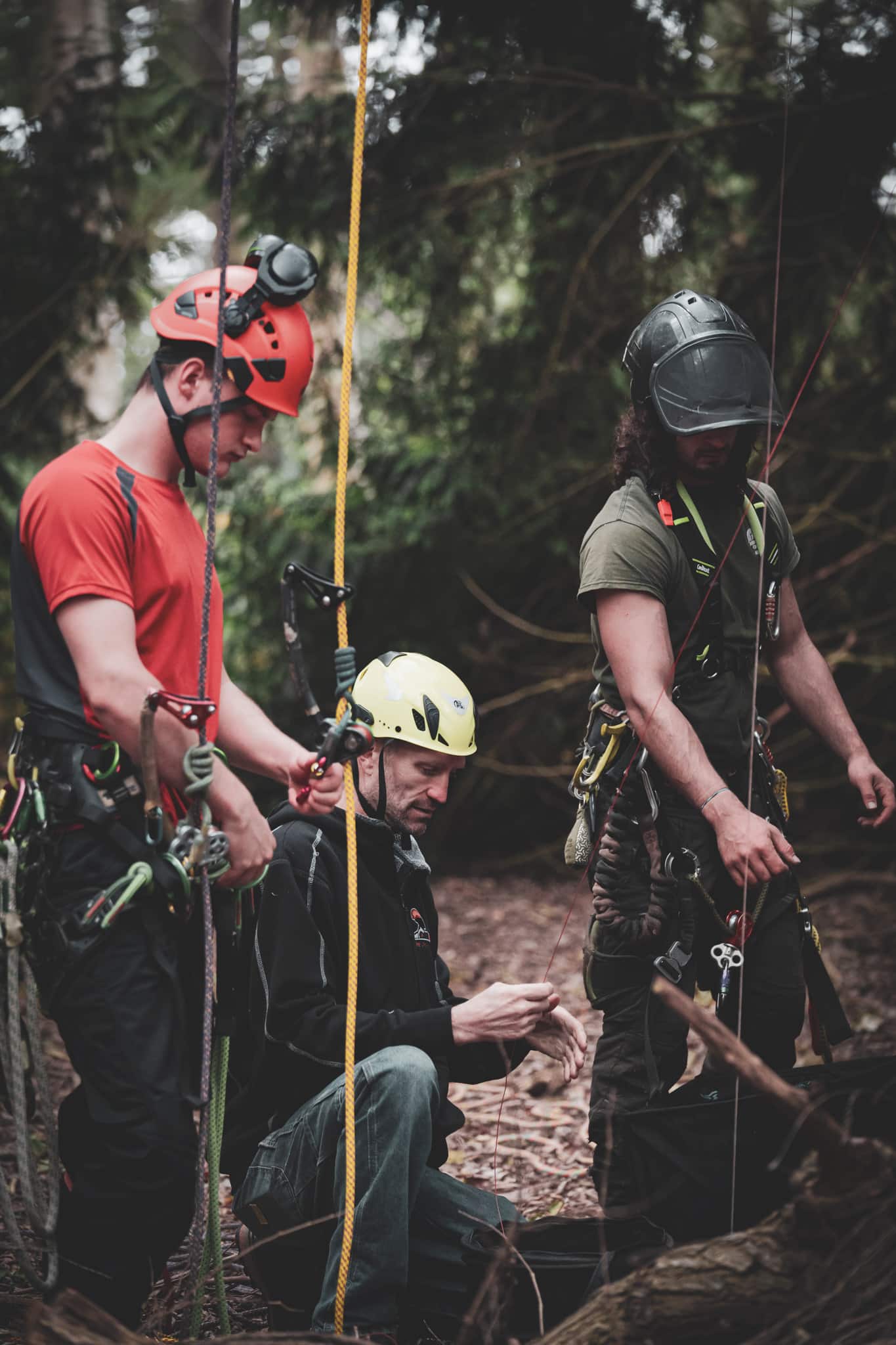
At Ground Up Training, we’ve helped hundreds of people begin successful careers in arboriculture, from complete beginners to experienced groundsmen looking to progress into climbing and aerial work.
In this guide, we’ll explain exactly what qualifications you need to become a tree surgeon and the most effective route into the industry.
What Does a Tree Surgeon Do?
Before looking at qualifications, it’s worth understanding the role itself.
Tree surgeons, also known as arborists, are responsible for:
- Tree pruning and crown reductions
- Tree removals and dismantling
- Tree planting and aftercare
- Emergency tree work
- Aerial rescue operations
- Rigging and lowering operations
- Tree inspections and assessments
Modern tree surgery requires a combination of practical skills, safety awareness, problem-solving, and physical fitness.
Do You Need Qualifications to Become a Tree Surgeon?
In short, yes.
While you can begin working as a groundsman without extensive qualifications, most professional tree surgery companies will expect you to hold recognised industry qualifications before operating chainsaws or carrying out climbing work.
The industry standard qualifications are awarded through City & Guilds NPTC and demonstrate that you can work safely and competently.
These qualifications not only improve your employability but also ensure you can work safely in what can be a challenging environment.
The First Qualifications Most Tree Surgeons Obtain
CS30 & CS31 – Chainsaw Training
For most people entering the industry, chainsaw qualifications are the starting point.
The combination of:
teaches you:
- Chainsaw maintenance
- Cross cutting timber
- Safe chainsaw operation
- Tree felling techniques
- Hung-up tree procedures
- Timber processing
These qualifications provide the foundation for almost every arborist career.
Tree Climbing Qualifications
Once you’ve gained experience on the ground, the next step is often climbing.
CS38 Tree Climbing & Aerial Rescue
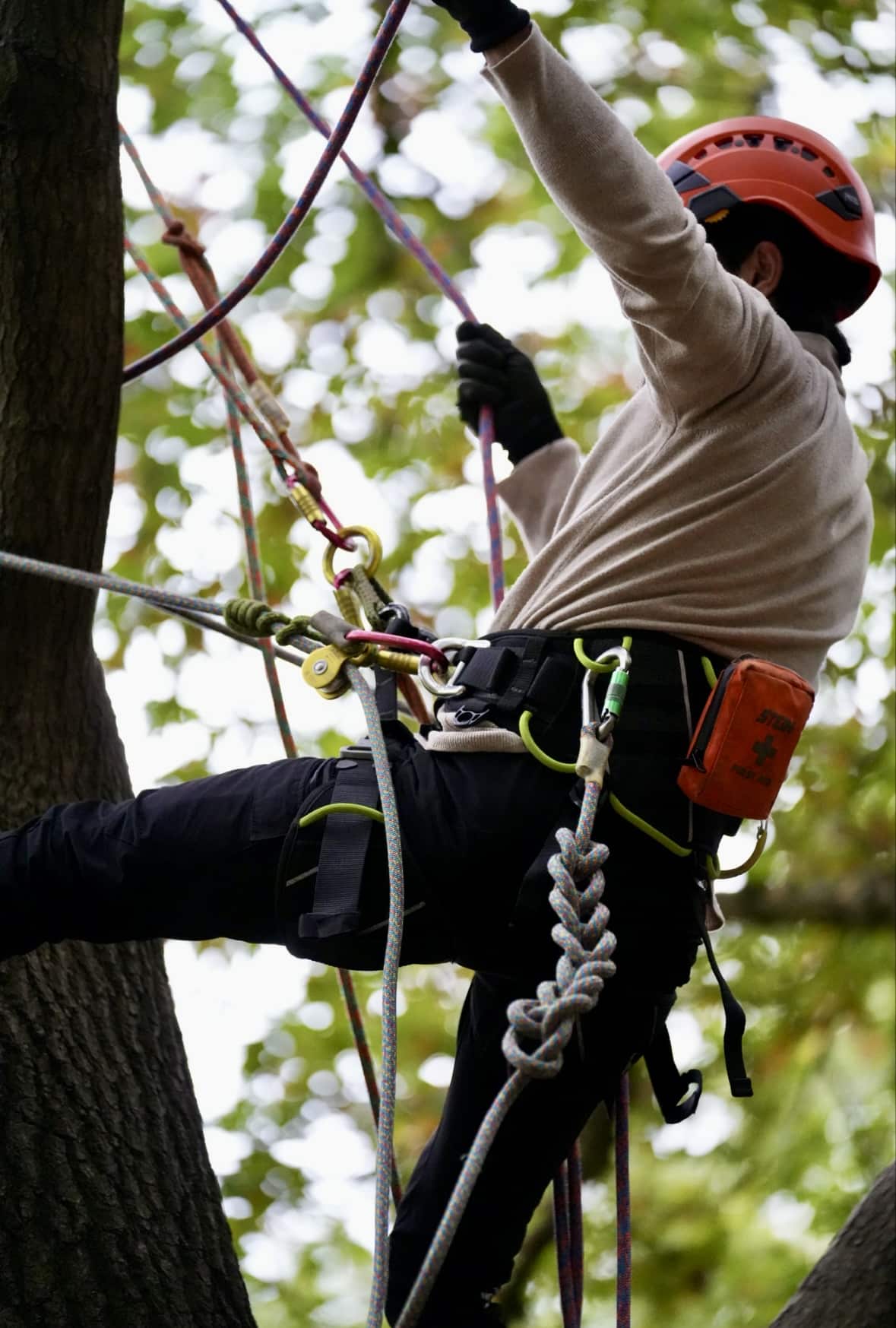
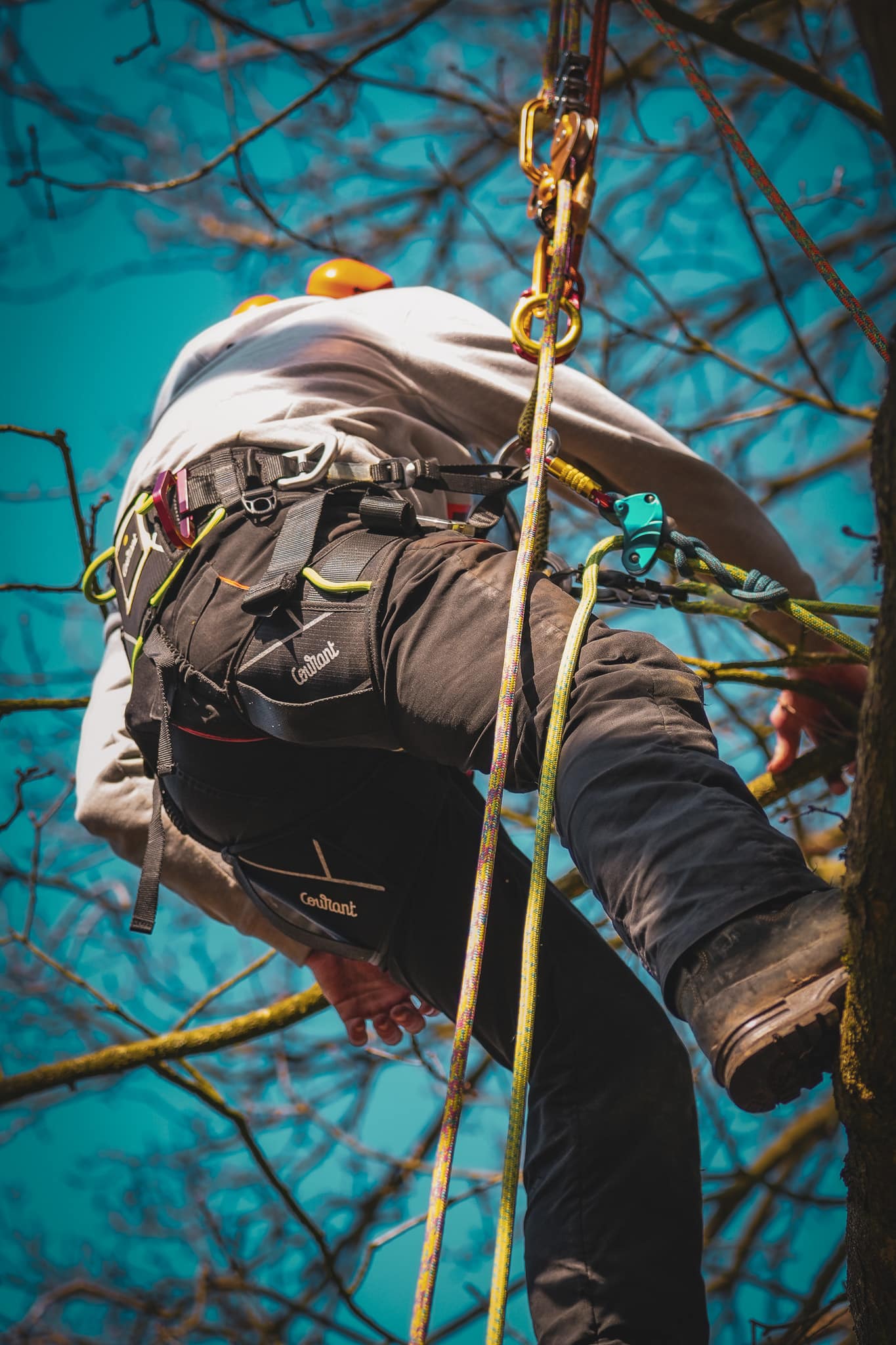
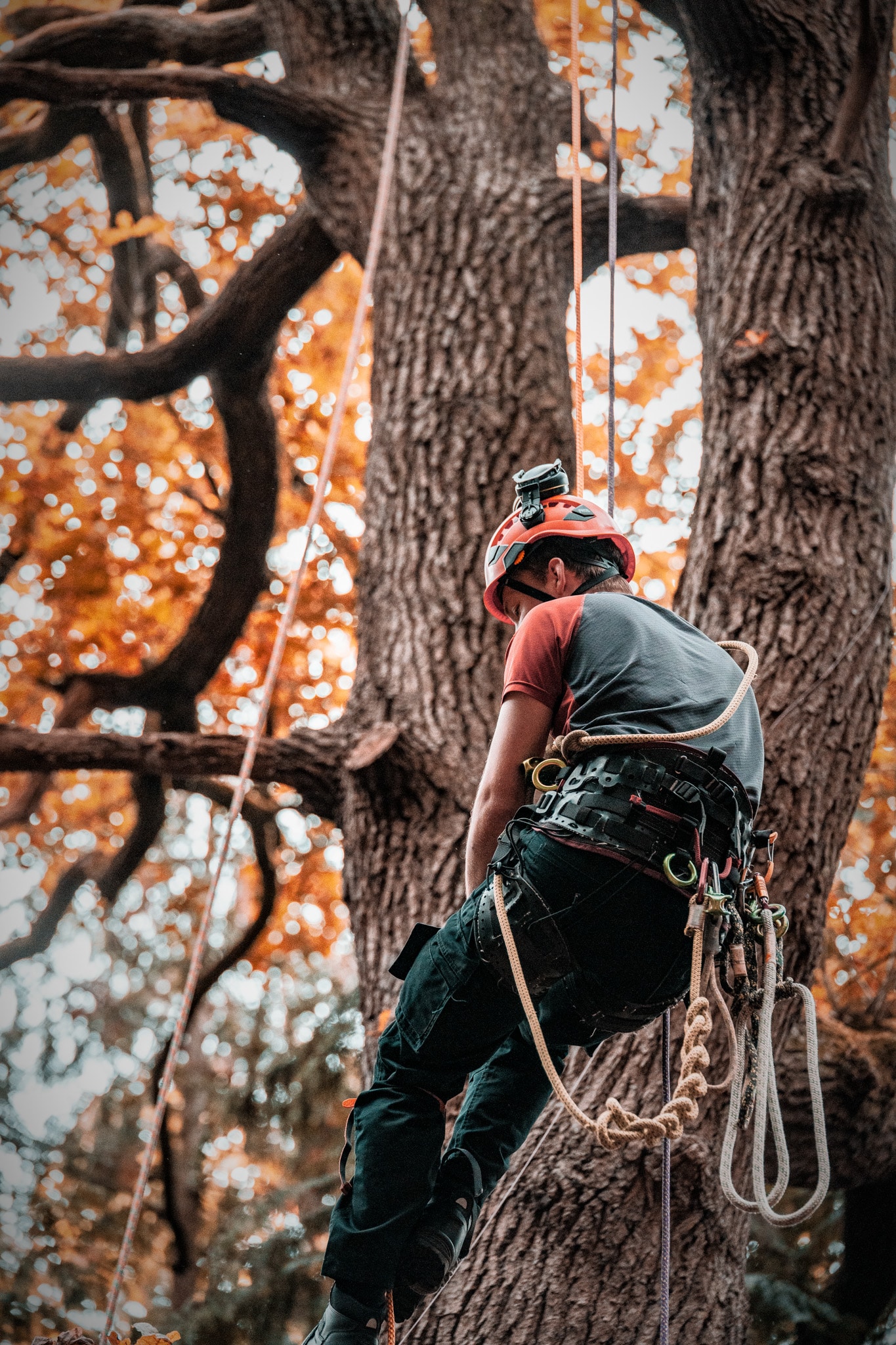
The CS38 Tree Climbing & Aerial Rescue Course is widely regarded as the gateway qualification into aerial tree work.
During the course you’ll learn:
- Tree climbing techniques
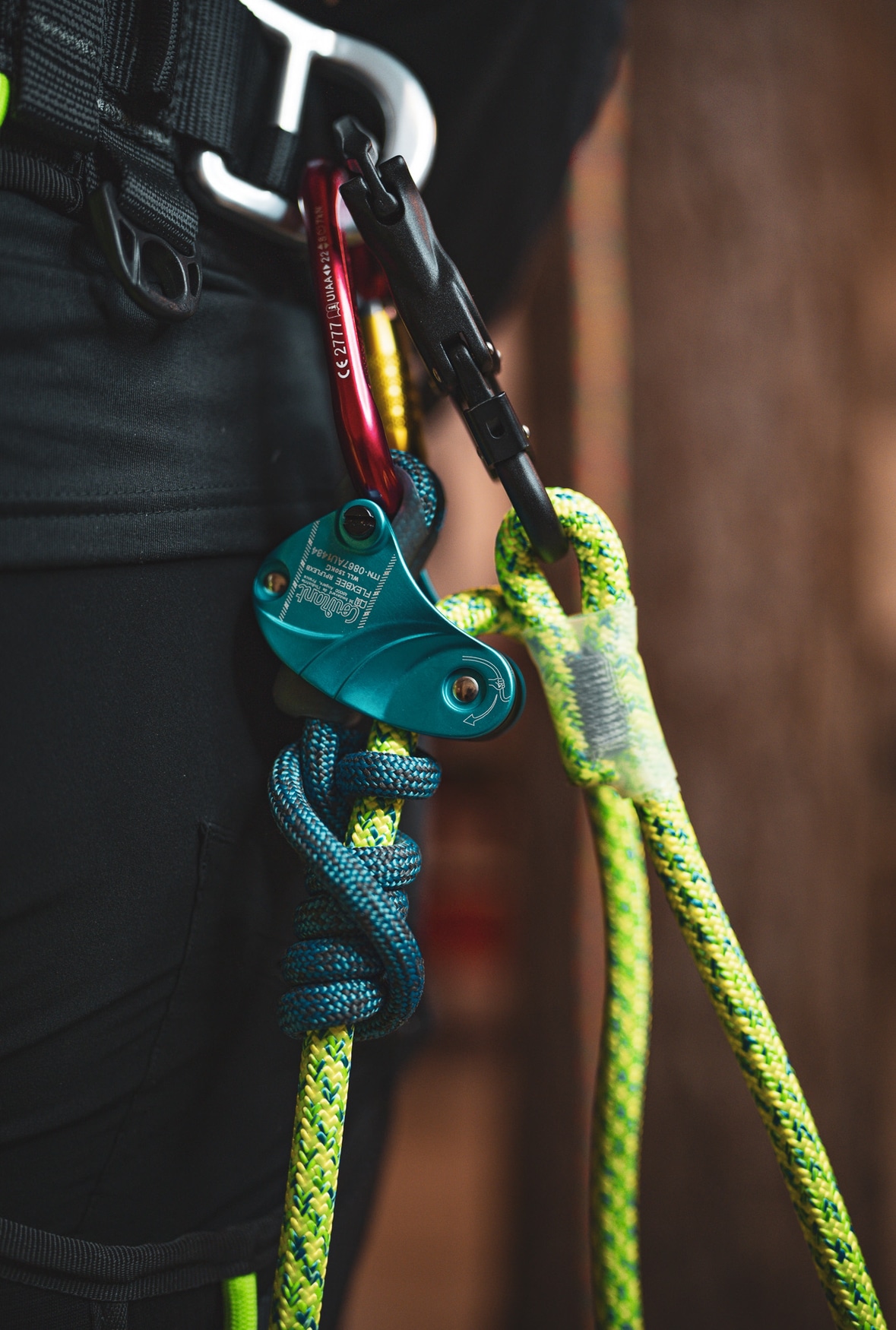
- Rope and harness systems
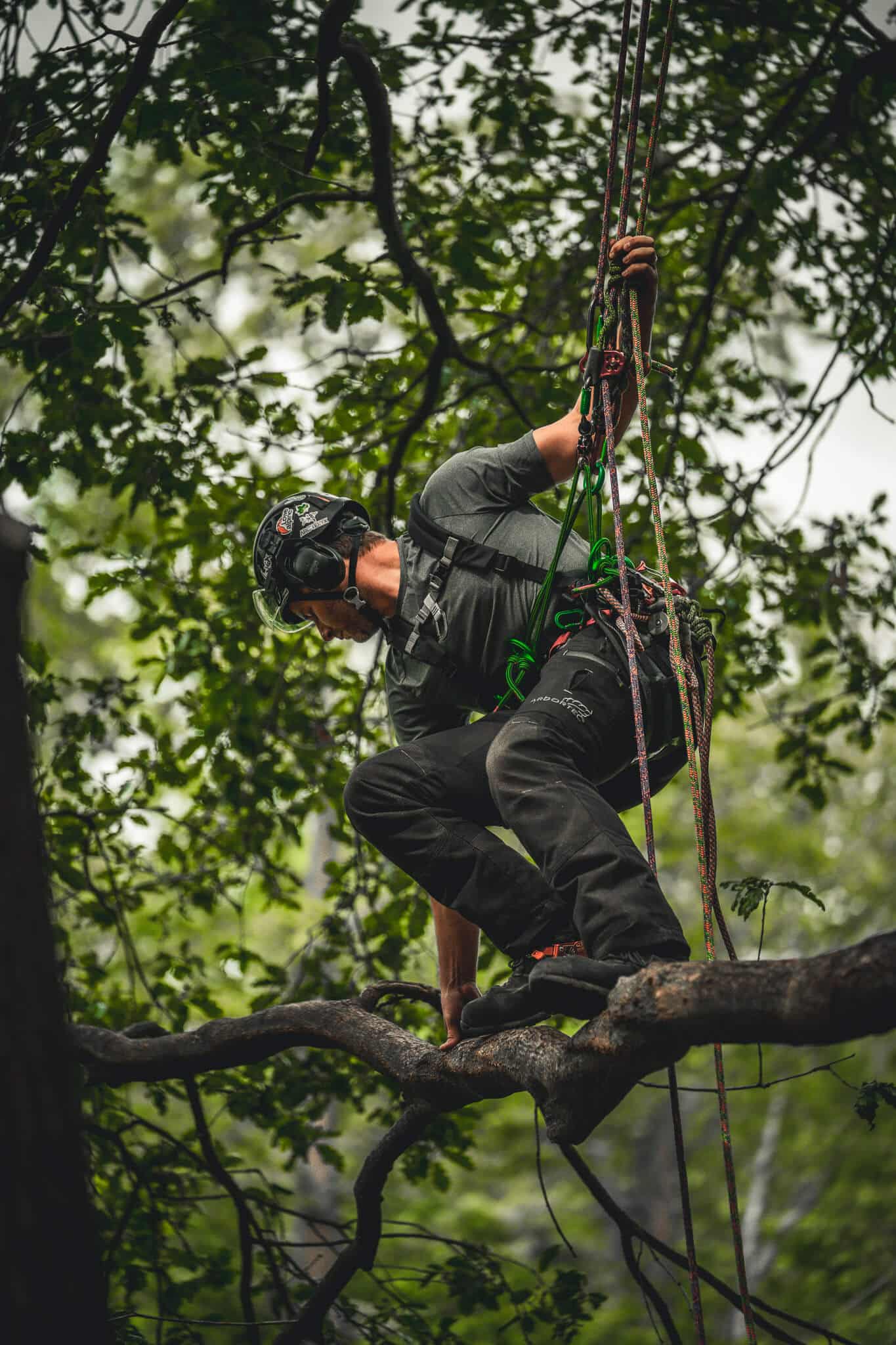
- Safe canopy movement
- Work positioning
- Aerial rescue procedures
- Emergency planning
For many arborists, this is the qualification that transforms tree surgery from a ground-based role into a highly skilled climbing career.
Advanced Arborist Qualifications
As your experience grows, additional qualifications help expand your capabilities and earning potential.
CS39 Chainsaw from Rope & Harness
Once you’re competent at climbing, the next logical step is aerial chainsaw work.
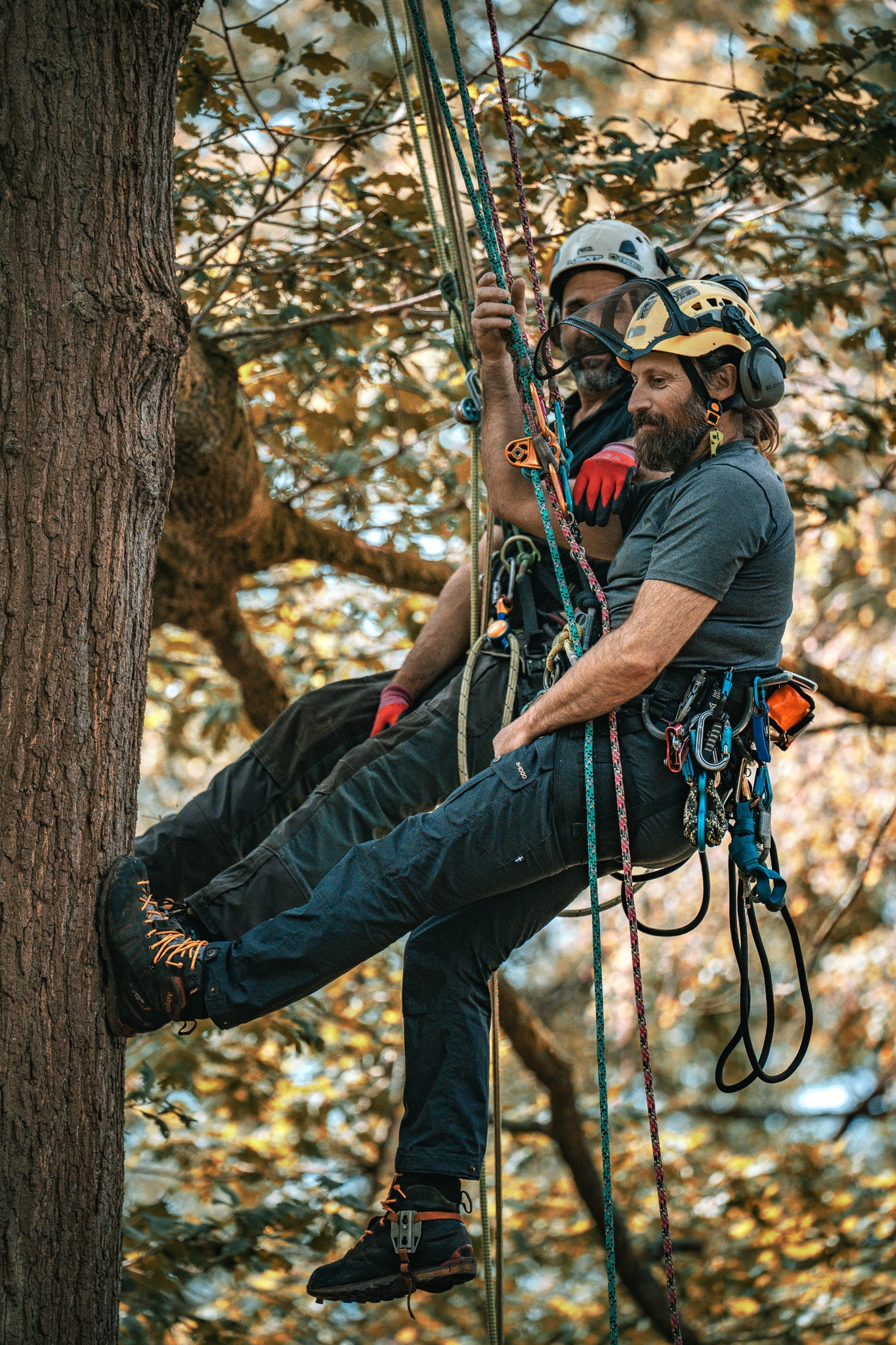
The CS39 Chainsaw from Rope & Harness Course teaches arborists how to safely operate a chainsaw whilst positioned in a tree.
This qualification is essential for professional climbing arborists.
Aerial Tree Rigging
Rigging is one of the most technical areas of tree surgery.
The Aerial Tree Rigging Course teaches arborists how to safely dismantle trees using ropes, pulleys, friction devices, and lowering systems.
Rigging skills become increasingly important as arborists progress into larger and more complex tree work.
Machinery Qualifications
Professional arborists regularly use machinery such as:
- Wood chippers
- Stump grinders
- MEWPs
- Forestry equipment
The Machinery Training Courses offered by Ground Up Training help arborists develop additional practical skills and improve their value to employers.
What Is the Fastest Way to Become a Tree Surgeon?
For many people, the quickest and most cost-effective route is through a structured training pathway.
Rather than booking individual courses separately, many students choose one of our Arborist Training Packages.
These packages are designed to provide a logical progression from beginner to qualified arborist, helping students gain the core qualifications employers are looking for.
What Our Students Say
At Ground Up Training, we’re proud to have helped hundreds of students start their arborist careers.
“Fantastic training from start to finish. The instructors are knowledgeable, patient, and make learning enjoyable. Passed first time!”
“Best training centre I’ve ever been to. The setup is amazing and the team really care about getting you qualified and confident.”
“Brilliant instructors, great facilities, and plenty of practical experience. Highly recommended.”
These reviews reflect our commitment to delivering professional, practical tree surgery training that prepares students for real-world work.
Is Tree Surgery a Good Career?
For many people, tree surgery offers:
- Outdoor working environments
- Strong earning potential
- Career progression opportunities
- Technical and practical challenges
- The opportunity to work as part of a skilled team
Demand for qualified arborists remains strong throughout the UK, making arboriculture an attractive long-term career choice.
Frequently Asked Questions
What qualifications do you need to be a tree surgeon?
Most tree surgeons begin with chainsaw qualifications such as CS30 and CS31 before progressing to climbing qualifications including CS38 and CS39.
Can I become a tree surgeon without experience?
Yes. Many arborists start with no previous experience and gain qualifications through professional training courses.
How long does it take to become a tree surgeon?
This varies depending on the training pathway chosen, but many people gain their initial qualifications within a few weeks and continue developing their skills over several years.
What is the best tree surgeon training course?
There isn’t a single best course. Most arborists begin with chainsaw training before progressing to climbing, rigging, and machinery qualifications.
Start Your Arborist Career with Ground Up Training
If you’re serious about becoming a tree surgeon, gaining the right qualifications is the first step.
At Ground Up Training, we offer everything from chainsaw qualifications and climbing courses to rigging training and complete arborist training packages.
Whether you’re starting from scratch or looking to advance your career, our experienced instructors can help you achieve your goals and build a successful future in arboriculture.